
The endoscopy revealed mild inflammation in the stomach lining. Biopsies were taken for further examination.
**** Endoscopy is a crucial diagnostic tool for gastrointestinal issues. This minimally invasive procedure allows doctors to visually inspect the digestive tract. It helps identify conditions like ulcers, gastritis, and tumors. During the procedure, a thin, flexible tube with a camera is inserted into the body.
The camera transmits images to a monitor, aiding in accurate diagnosis. Patients usually receive mild sedation to ensure comfort. Preparing for an endoscopy typically involves fasting and avoiding certain medications. Post-procedure, patients might experience mild discomfort or bloating. The results from biopsies taken during the endoscopy provide valuable insights for effective treatment plans. Regular check-ups can help manage and prevent severe gastrointestinal problems
What Is An Endoscopy?
An endoscopy is a medical test. It helps doctors see inside your body. A thin, flexible tube with a camera is used. This tube is called an endoscope. The doctor inserts the endoscope into your body. This allows them to look at your organs.
Procedure Overview
The endoscopy procedure is simple. The patient may receive a sedative. This helps them relax. The doctor guides the endoscope to the target area. The camera on the endoscope sends pictures to a screen. The doctor examines these pictures for any issues.
Here is a basic overview of the procedure:
Preparation: The patient may need to fast.
Sedation: A sedative might be given.
Insertion: The endoscope is gently inserted.
Examination: The doctor views the images.
Completion: The endoscope is removed.
Common Uses
Doctors use endoscopy for many reasons. Here are some common uses:
Condition | Description |
|---|---|
Digestive Issues | Check for ulcers, infections, or blockages. |
Biopsies | Collect tissue samples for lab tests. |
Bleeding | Locate the source of internal bleeding. |
Foreign Objects | Find and remove objects stuck inside. |
Preparing For An Endoscopy
Getting ready for an endoscopy can feel overwhelming. Understanding the steps can make the process smoother. There are key preparations you must follow. These include dietary restrictions and medications to avoid. Adhering to these guidelines ensures accurate results and a safer procedure.
Dietary Restrictions
Two days before your endoscopy, you should follow a special diet. Avoid solid foods and switch to clear liquids. This helps keep your stomach empty. Examples of clear liquids are:
Water
Apple juice
Clear broth
Gelatin
Avoid drinks with red or purple dye. On the day of the test, stop all liquids at least six hours before. This ensures the doctor gets a clear view of your stomach and intestines.
Medications To Avoid
Certain medications can affect your endoscopy results. You might need to stop taking them. Common medications to avoid include:
Aspirin
Ibuprofen
Blood thinners
If you take medication for chronic conditions, consult your doctor. They will advise you on what to do. Always follow your doctor's instructions. This ensures a safe and effective procedure.
Medication Type | Action Needed |
|---|---|
Aspirin | Stop 7 days before |
Ibuprofen | Stop 3 days before |
Blood Thinners | Consult your doctor |
Remember, preparation is key. Following these steps ensures your endoscopy goes smoothly. Listen to your doctor's advice for the best results.
The Endoscopy Procedure
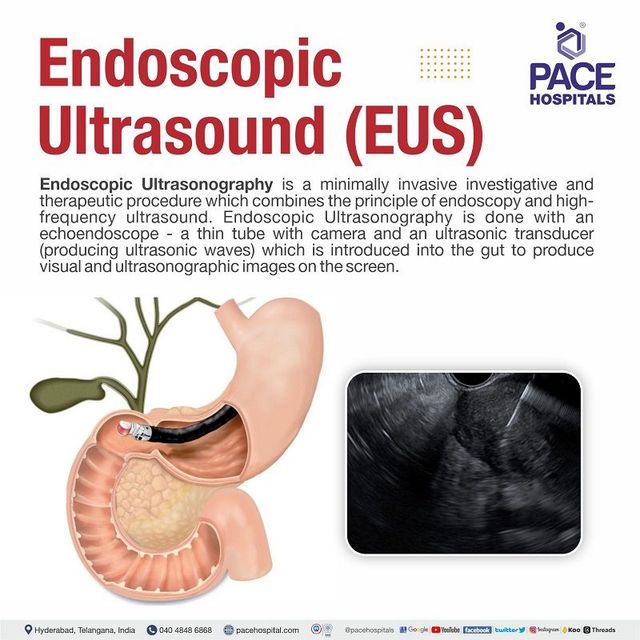
Endoscopy is a common medical procedure. It helps doctors see inside your body. This is done using a thin, flexible tube called an endoscope. The endoscope has a light and a camera. It sends images to a screen. This helps doctors find out what is wrong.
What To Expect
Before the procedure, you might need to fast. Your doctor will give you clear instructions. The endoscopy can be done in a hospital or clinic. You will lie down on a table. The doctor may give you a sedative. This helps you relax. Then, the endoscope is gently inserted into your body. This could be through your mouth, nose, or a small cut.
Duration And Recovery
The procedure usually takes about 30 minutes. Sometimes, it may take longer. After the procedure, you will rest for a while. The sedative needs time to wear off. You might feel sleepy. Someone should drive you home. Full recovery usually takes a day. You can return to normal activities after that.
Step | Action |
|---|---|
1 | Fast as instructed |
2 | Arrive at the hospital or clinic |
3 | Receive a sedative |
4 | Endoscope is inserted |
5 | Rest and recover |
Fast: Follow doctor's instructions
Hospital: Procedure done in a safe environment
Sedative: Helps you relax
Endoscope: Inserted gently
Recovery: Rest and have someone drive you home
Interpreting Your Endoscopy Report
Getting an endoscopy test can be stressful. Understanding the report is important. This guide will help you interpret your endoscopy report easily.
Key Findings
Your endoscopy report will list key findings. These are the main results of your test. Important findings might include:
Inflammation: Swelling of tissues.
Ulcers: Open sores in the lining.
Polyps: Small growths that can be benign or cancerous.
Erosions: Wearing away of the lining.
These findings help your doctor decide on the best treatment for you.
Medical Terminology Explained
Endoscopy reports contain medical terms. Understanding them is crucial. Here are some common terms and their meanings:
Term | Explanation |
|---|---|
Biopsy | A small tissue sample taken for testing. |
Gastritis | Inflammation of the stomach lining. |
Duodenum | The first part of the small intestine. |
Esophagitis | Inflammation of the esophagus. |
Knowing these terms helps you understand your health better.
Common Findings And Their Implications
Endoscopy is a key medical tool. It helps doctors see inside the body. The test can reveal important health issues. Here are some common findings and what they mean.
Inflammation
Inflammation is a frequent finding in endoscopy reports. It means that a part of your body is swollen and irritated. This can happen in the esophagus, stomach, or intestines. Common causes include infections, allergies, or autoimmune diseases. Chronic inflammation may lead to more severe conditions. Doctors often suggest medications to reduce inflammation.
Polyps
Polyps are small growths found in the lining of the stomach or intestines. Most polyps are not cancerous. But some can turn into cancer over time. They vary in size and shape. Doctors usually remove polyps during the endoscopy. This helps prevent future problems. Regular check-ups are important if you have polyps.
Ulcers
Ulcers are sores that develop on the lining of your stomach or intestines. They can cause pain, bleeding, and other symptoms. Common causes include infections and long-term use of certain medications. An ulcer needs treatment to heal. Doctors might prescribe medications or suggest lifestyle changes.
Finding | Description | Treatment |
|---|---|---|
Inflammation | Swollen and irritated body parts | Medications to reduce inflammation |
Polyps | Small growths in the stomach or intestines | Removal and regular check-ups |
Ulcers | Sores on the stomach or intestine lining | Medications and lifestyle changes |
Inflammation can lead to severe conditions.
Polyps should be checked regularly.
Ulcers need proper treatment to heal.
When To Worry
Endoscopy tests are helpful for diagnosing many conditions. Sometimes, the results may show something unusual. Knowing when to worry can help you take quick action.
Red Flags
There are certain signs in your endoscopy report that should raise concern. These red flags include:
Presence of ulcers or open sores.
Unusual growths or masses.
Inflammation or swelling in the lining.
Persistent bleeding or signs of blood.
Red Flag | Possible Condition |
|---|---|
Ulcers | Peptic ulcer disease |
Growths | Polyps or cancer |
Inflammation | Gastritis or esophagitis |
Bleeding | Gastrointestinal bleeding |
When To Seek Immediate Help
Some symptoms require immediate attention. Seek help if you experience:
Severe abdominal pain.
Difficulty swallowing.
Vomiting blood.
Black or tarry stools.
These symptoms can indicate serious conditions. It is crucial to act quickly. Contact your doctor right away if you notice any of these signs.
Next Steps After Your Endoscopy
After your endoscopy, understanding the next steps is crucial. This helps in managing your health effectively. Here are important actions to take post-procedure.
Follow-up Appointments
Follow-up appointments are essential for reviewing your endoscopy results. Your doctor will discuss the findings with you. They may recommend additional tests or treatments. It's important to attend these appointments on time. This ensures any issues are addressed promptly.
Appointment Type | Purpose |
|---|---|
Initial Follow-Up | Review test results and discuss findings |
Secondary Follow-Up | Monitor treatment progress and make adjustments |
Lifestyle Changes
Making lifestyle changes can improve your overall health. These changes can also help manage conditions found during the endoscopy. Here are some recommendations:
Diet: Eat a balanced diet rich in fruits and vegetables.
Exercise: Engage in regular physical activity.
Hydration: Drink plenty of water daily.
Smoking: Quit smoking if you are a smoker.
Alcohol: Limit alcohol consumption.
These changes support your recovery and promote long-term health.
Questions To Ask Your Doctor
After receiving your endoscopy test report, you might have several questions. Knowing what to ask can help you understand your results better. Here are some important questions to consider:
Clarifying Your Results
Understanding your endoscopy results is crucial. Here are some questions to ask:
What do the results mean?
Are there any abnormalities?
What is the next step?
Do I need further tests?
Your doctor can explain what the findings indicate. This will help you grasp your health status better.
Treatment Options
Knowing your treatment options is essential. Here are some questions to guide you:
What treatments are available?
Which treatment is best for me?
What are the side effects of each treatment?
How long will the treatment last?
Discussing treatment options will help you make informed decisions about your health.

Frequently Asked Questions
What Is An Endoscopy Test?
An endoscopy test is a procedure where a doctor uses a flexible tube with a camera to examine the digestive tract. It helps diagnose and treat conditions.
How To Prepare For An Endoscopy?
Preparation for an endoscopy includes fasting for several hours and avoiding certain medications. Your doctor will provide specific instructions for preparation.
Is An Endoscopy Painful?
An endoscopy is usually not painful. You may feel slight discomfort or pressure. Sedatives are often used to help you relax.
What Conditions Can An Endoscopy Diagnose?
An endoscopy can diagnose conditions like ulcers, inflammation, tumors, and infections in the digestive tract. It provides a clear view for accurate diagnosis.
Conclusion
Understanding your endoscopy test report is crucial for your health journey. Review it carefully and consult your doctor. Regular monitoring helps in early detection and better management of potential issues. Prioritize your health by staying informed and proactive. A detailed report empowers you to take the necessary steps for your well-being.



Social Plugin