
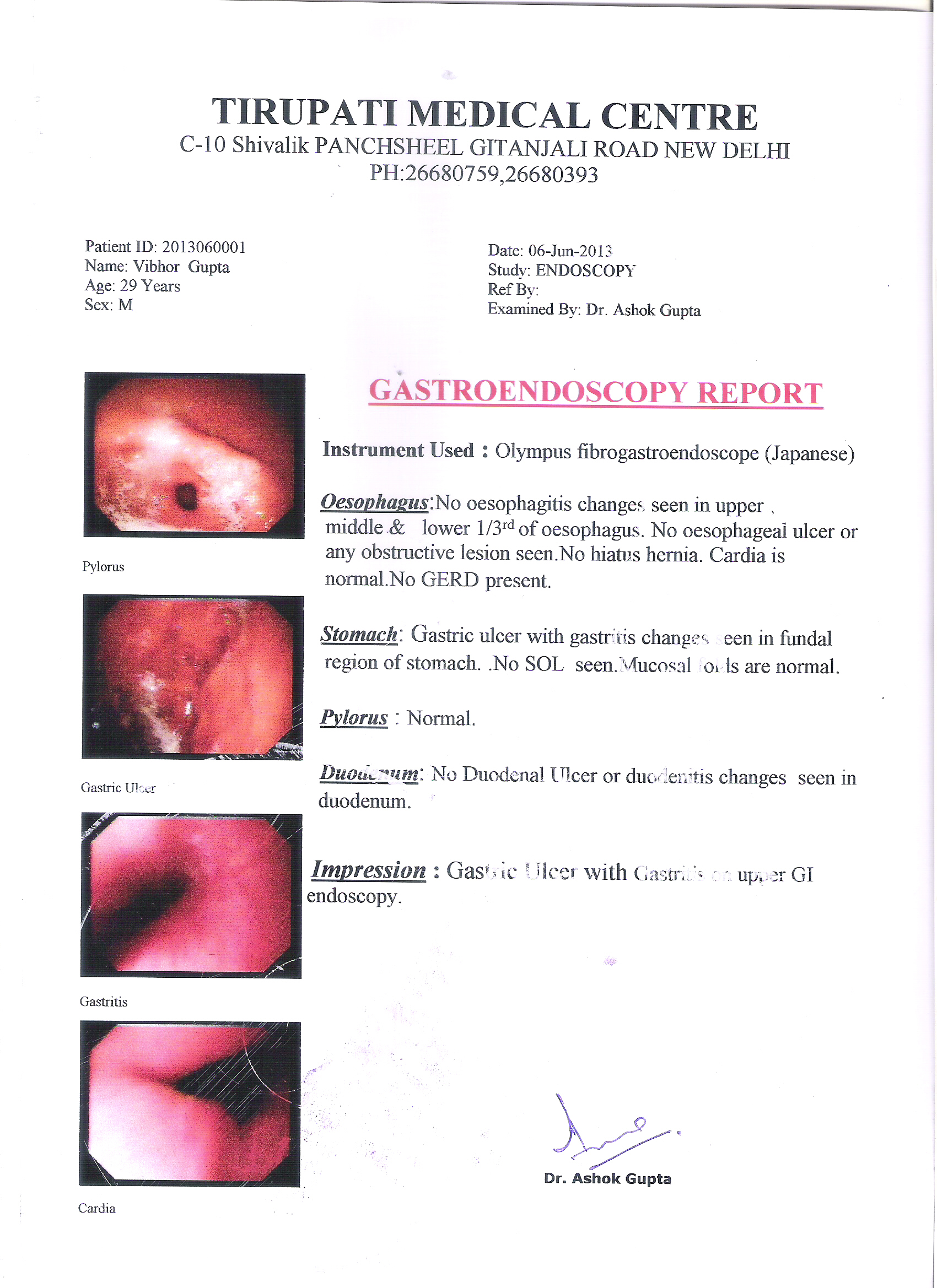
endoscopy report analysisThe endoscopy revealed no abnormalities. The esophagus, stomach, and duodenum appeared normal.
Endoscopy is a medical procedure used to examine the digestive tract. It involves inserting a flexible tube with a camera into the digestive system to identify issues. A normal endoscopy report indicates that there are no visible signs of disease or abnormality.
This can provide peace of mind for patients worried about symptoms. The procedure is typically quick and minimally invasive. Doctors use it to diagnose conditions like ulcers, inflammation, or tumors. A normal report suggests good digestive health. Patients can often resume normal activities immediately after the procedure. Regular endoscopies can help maintain digestive health and catch potential issues early.

Normal Endoscopy Report
A normal endoscopy report provides vital information about your gastrointestinal tract. Understanding this report helps you know your digestive health. Below, we explain the key components and common findings of a normal endoscopy report.
Key Components
A normal endoscopy report includes several important parts. These components ensure a complete and clear assessment of your digestive system.
Patient Information: This section includes your name, age, and medical ID.
Procedure Details: This part lists the type of endoscopy and date performed.
Indications: Here, the report mentions why the endoscopy was needed.
Findings: This section details what was seen during the procedure.
Impressions: The doctor’s interpretation of the findings is noted here.
Recommendations: Suggested follow-ups or treatments are included in this part.
Common Findings
A normal endoscopy report may have several common findings. These findings indicate that your digestive system is healthy.
Normal Esophagus: No signs of inflammation or lesions.
Healthy Stomach: Stomach lining appears normal with no ulcers.
Clear Duodenum: The first part of the small intestine is normal.
Normal Colon: No polyps or abnormal growths are found.
Component | Description |
|---|---|
Patient Information | Includes name, age, and medical ID |
Procedure Details | Type of endoscopy and date performed |
Indications | Reason for the endoscopy |
Findings | What was seen during the endoscopy |
Impressions | Doctor’s interpretation of the findings |
Recommendations | Follow-ups or treatments suggested |
Interpreting Your Results
Understanding your endoscopy report analysis can be confusing. This section breaks down the key parts. It helps you understand the terms and visuals in your report.
Visual Descriptions
Endoscopy images provide a visual record of your internal organs. These images highlight areas of concern. Healthy tissues appear smooth and pink. Abnormal tissues may look red, swollen, or have irregular shapes.
Image Description | Meaning |
|---|---|
Pink, smooth lining | Normal tissue |
Red, inflamed areas | Possible inflammation |
Irregular shapes | Potential growths or polyps |
Medical Terminology
Medical terms in your report may seem complex. Here are some common terms explained:
Biopsy: A small tissue sample taken for testing.
Polyp: A growth on the lining of your organ.
Esophagitis: Inflammation of the esophagus.
Gastritis: Inflammation of the stomach lining.
Ulcer: A sore on the lining of your stomach or intestine.
Significance Of Normal Findings
An endoscopy normal report is a reassuring document. It shows your digestive system is healthy. Normal findings mean no abnormalities were detected. This is a positive outcome for your health. Understanding these findings can be beneficial.
Healthy Indicators
Normal findings in an endoscopy report often highlight healthy indicators. These indicators confirm that your digestive system is functioning well. Here are some common healthy indicators:
Clear and smooth lining of the esophagus, stomach, and intestines.
No signs of inflammation or redness.
Normal color and texture of the tissues.
Absence of ulcers or lesions.
Proper structure and function of the digestive organs.
These indicators are essential for overall health. They suggest your digestive system is in good condition. Regular check-ups help maintain these healthy indicators.
Absence Of Abnormalities
The absence of abnormalities is crucial in a normal endoscopy report. It means no signs of disease or infection were found. Here are some abnormalities that were not detected:
No polyps or growths.
No tumors or cancerous lesions.
No bleeding or unusual discharge.
No blockages or obstructions.
No foreign bodies or objects.
This absence signifies a healthy digestive tract. It is a positive indicator of your overall health. Maintaining a healthy diet and lifestyle supports these findings.
For a quick reference, here is a summary table:
Healthy Indicator | Description |
|---|---|
Clear and smooth lining | No irregularities in the lining of digestive organs |
No signs of inflammation | No redness or swelling detected |
Normal color and texture | Tissues have a healthy appearance |
Absence of ulcers or lesions | No sores or abnormal tissue growths |
Proper structure and function | Digestive organs are working as they should |
Normal findings in an endoscopy report are encouraging. They confirm your digestive health is in good shape. Regular monitoring helps ensure these positive results.
Common Questions
Many people have questions after receiving their endoscopy report. Understanding the results can ease anxiety. Here, we address some common questions.
What Does Normal Mean?
A normal endoscopy report indicates no abnormalities were found. This means the esophagus, stomach, and duodenum look healthy. There are no signs of inflammation, ulcers, or tumors.
Doctors look for specific things during an endoscopy. They check for bleeding, blockages, and unusual growths. A normal report means all these areas are clear. It is a good sign of digestive health.
When To Follow Up
Even with a normal report, follow-up appointments might be necessary. Your doctor will guide you based on your symptoms and medical history.
Consider follow-up if you have persistent symptoms. These may include:
Ongoing stomach pain
Frequent heartburn
Unexplained weight loss
Difficulty swallowing
Track your symptoms and share them with your doctor. This will help determine whether further endoscopy testing is necessary.
Symptom | Reason to Follow Up |
|---|---|
Stomach pain | Could indicate underlying issues |
Heartburn | May suggest GERD |
Weight loss | Needs further investigation |
Difficulty swallowing | Could signal esophageal problems |
Regular check-ups are important for maintaining health. Discuss any concerns with your healthcare provider. They will advise the best course of action.
Post-endoscopy Care
After an endoscopy, patients must follow specific care instructions. Proper care ensures a smooth recovery. It also helps avoid complications. Below are some essential tips for post-endoscopy care.
Recovery Tips
Rest for the remainder of the day.
Avoid driving or operating machinery for 24 hours.
Stay hydrated by drinking plenty of water.
Eat light, easy-to-digest foods.
Avoid alcohol and caffeine for at least 24 hours.
Monitor the insertion site for any signs of infection.
When To Seek Help
While most recoveries are uneventful, some signs require immediate attention. Contact your doctor if you experience:
Severe abdominal pain.
Persistent vomiting or nausea.
Fever or chills.
Excessive bleeding from the insertion site.
Difficulty swallowing or breathing.
Follow these tips to ensure a smooth recovery. Always prioritize your health and well-being.
Communicating With Your Doctor
Understanding your endoscopy report is crucial. Open communication with your doctor ensures clarity. Knowing what to ask and how to express doubts can help. This section guides you in effectively communicating with your healthcare provider.
Questions To Ask
Prepare a list of questions before your appointment. Here are some important ones:
What do the results mean? Ask for a simple explanation of the findings.
Are there any abnormalities? Check if any unusual signs were detected.
What are the next steps? Inquire about follow-up endoscopy test reports or treatments.
Are there lifestyle changes needed? Ask if you need to modify your diet or habits.
Clarifying Doubts
It's normal to have doubts after reading your report. Here’s how to address them:
Ask for more details: If something is unclear, ask for a detailed explanation.
Request visual aids: Diagrams or images can make complex information easier to understand.
Summarize what you heard: Repeat back what you understand to confirm accuracy.
Write down instructions: Take notes during your discussion for future reference.
Effective communication with your doctor ensures you fully understand your endoscopy report. Don't hesitate to ask questions or seek clarification. Your health is important and understanding your report is a key step.

Frequently Asked Questions
What Is An Endoscopy Normal Report?
An endoscopy normal report indicates that no abnormalities were found during the procedure. It shows that your digestive tract is healthy.
How To Interpret An Endoscopy Report?
To interpret an endoscopy report, look for terms like "normal," "no abnormalities," or "negative. " These indicate a healthy digestive tract.
What Does A Normal Endoscopy Show?
A normal endoscopy shows a healthy esophagus, stomach, and duodenum. No signs of inflammation, ulcers, or tumors are present.
Can An Endoscopy Be Normal With Symptoms?
Yes, an endoscopy can be normal even if you have symptoms. Further testing may be needed to find the cause.
Conclusion
A normal endoscopy report provides peace of mind and clear health insights. Understanding your results helps you stay informed. Regular check-ups ensure your digestive health remains optimal. Always consult with your healthcare provider for personalized advice. Keeping track of your reports can guide future health decisions effectively.



Social Plugin