
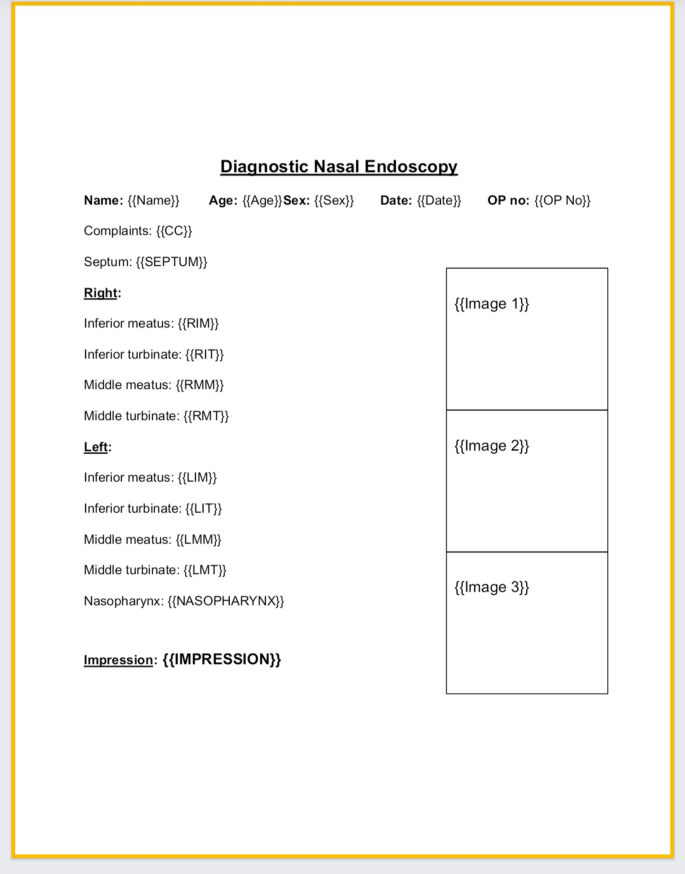
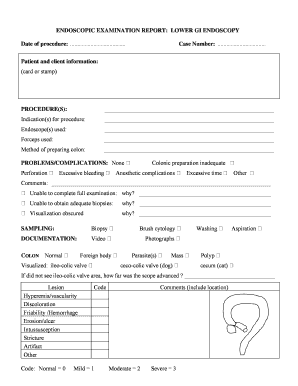
An endoscopy report format includes patient details, procedure description, findings, and recommendations. It aids in diagnosis and treatment planning.
An endoscopy report is a crucial document in medical diagnostics. It provides a comprehensive record of the procedure, including patient information, the type of endoscopy performed, detailed findings, and any abnormalities. This report also contains recommendations for treatment or further tests.
Clear and precise documentation ensures effective communication between healthcare providers. It helps in monitoring the patient’s progress and planning future medical interventions. Properly formatted reports enhance the accuracy of diagnosis and improve patient care. Understanding the structure and content of an endoscopy report is essential for medical professionals and patients alike.
Patient Information
The patient information section of an endoscopy report is crucial. It ensures that the medical team has all the necessary details. This section includes demographic details and medical history.
Demographic Details
Demographic details provide essential information about the patient. These details help in identifying the patient correctly. They include:
Full Name: The complete name of the patient.
Date of Birth: The patient's birth date.
Gender: Male, Female, or Other.
Contact Information: Phone number and email address.
Address: The patient's home address.
Medical History
Medical history is a vital part of the patient information. It provides context for the endoscopy findings. The key elements of the medical history include:
Previous Medical Conditions: Chronic diseases or past illnesses.
Current Medications: List of all medications the patient is taking.
Allergies: Any known allergies, particularly to medications.
Surgical History: Details of past surgeries.
Family History: Any hereditary conditions that run in the family.
Having accurate patient information ensures the best care. It aids in accurate diagnosis and effective treatment plans.
Procedure Details
The Procedure Details section of an endoscopy report captures critical information. This section helps doctors understand the specifics of the procedure. It includes essential details such as the date and time of the procedure and the type of endoscopy performed.
Date And Time
The date and time of the endoscopy are vital. They provide context for the medical history. Ensure this information is accurate. It helps in tracking the patient's medical timeline. Below is an example of how to present this:
Date | Time |
|---|---|
2023-10-01 | 10:00 AM |
Type Of Endoscopy
The type of endoscopy specifies the procedure performed. There are various types of endoscopy. Each type serves a different purpose. Here are some common types:
Gastroscopy: Examines the stomach.
Colonoscopy: Examines the colon.
Bronchoscopy: Examines the airways.
Knowing the type of endoscopy is crucial. It helps in understanding the findings. Doctors can plan further treatment based on this information.
Preparation And Sedation
Getting ready for an endoscopy involves several important steps. Proper preparation and appropriate sedation ensure the procedure's success and the patient's comfort. Below, we explore these aspects in detail.
Preparation Details
Prior to the procedure, patients must follow specific preparation guidelines. These steps help ensure clear visibility for the doctor.
Avoid eating or drinking for 8 hours before the procedure.
Follow a clear liquid diet the day before the endoscopy.
Inform the doctor about any medications or allergies.
Arrange transportation home after the procedure.
Doctors may provide a detailed preparation checklist. This helps patients understand what to expect.
Sedation Information
Sedation plays a crucial role in an endoscopy. It helps patients stay calm and comfortable.
Local Anesthesia: Numbs a specific area.
Moderate Sedation: Patients are relaxed but awake.
Deep Sedation: Patients are asleep but can be awakened.
General Anesthesia: Patients are completely unconscious.
The type of sedation depends on the procedure and patient's health. Doctors will discuss the options with patients beforehand.
Type of Sedation | Level of Awareness |
|---|---|
Local Anesthesia | Fully Awake |
Moderate Sedation | Relaxed but Awake |
Deep Sedation | Asleep but Can Be Awakened |
General Anesthesia | Unconscious |
Patients are monitored throughout the procedure to ensure safety and comfort. This includes checking vital signs and adjusting sedation levels as needed.
Understanding the preparation and sedation steps can make the endoscopy experience smoother and less stressful. Proper preparation and the right sedation choice are key to a successful procedure.

Findings
The Findings section of an endoscopy report is crucial. It details the observations made during the procedure. This section is divided into two main categories: Normal Findings and Abnormal Findings. Each category provides important information for diagnosis and treatment planning.
Normal Findings
Normal findings indicate that no abnormalities were observed. The digestive tract appears healthy. Here are some examples of normal findings:
Clear mucosal lining
Absence of ulcers
No signs of inflammation
The table below shows typical normal findings in various parts of the digestive system:
Digestive Tract Part | Normal Findings |
|---|---|
Esophagus | Normal mucosa, no varices |
Stomach | Clear lining, no ulcers |
Duodenum | Normal villi, no inflammation |
Abnormal Findings
Abnormal findings indicate that there may be issues in the digestive tract. These findings often require further investigation or treatment. Some common abnormal findings include:
Ulcers
Polyps
Inflammation
Bleeding
Here is a detailed list of possible abnormal findings:
Esophagus: Varices, strictures, Barrett's esophagus
Stomach: Gastric ulcers, tumors
Duodenum: Celiac disease, ulcers
Doctors use these findings to determine the next steps in patient care.
Images And Videos
Including images and videos in an endoscopy report provides a clear picture of the patient's condition. These visual aids help in better diagnosis and treatment planning. Below, we will explore the important aspects of Image Documentation and Video Clips in the endoscopy report format.
Image Documentation
Image documentation is crucial for endoscopy reports. Each image should be clear and well-labeled.
High-Quality Images: Ensure images are high resolution.
Proper Labeling: Label each image with the body part and findings.
Sequential Order: Arrange images in the order of the procedure.
Using a table for image details can enhance readability.
Image Number | Body Part | Findings |
|---|---|---|
1 | Esophagus | Normal |
2 | Stomach | Ulcer |
3 | Duodenum | Inflammation |
Video Clips
Video clips offer dynamic visual information. They help in understanding the movement and function of organs.
Short Clips: Keep videos short and focused.
Relevant Sections: Capture the most relevant sections.
Annotations: Add annotations to highlight important areas.
Videos should be easy to access and view. Use formats compatible with most devices.
Diagnosis And Impression
The Diagnosis and Impression section of an endoscopy report is vital. It provides a summary of the findings and the clinical implications. This section helps physicians understand the patient's condition better and plan further treatment.
Clinical Diagnosis
The Clinical Diagnosis is an essential part of the report. It details the specific medical condition identified during the endoscopy. This diagnosis is based on the visual findings and any biopsy results. The clear and accurate diagnosis aids in deciding the next steps for treatment.
Example 1: Gastritis
Example 2: Peptic Ulcer
Example 3: Barrett's Esophagus
The diagnosis often includes descriptions of observed abnormalities. For instance, the presence of ulcers, polyps, or inflammation. This precise description helps in better understanding the patient's condition.
Overall Impression
The Overall Impression synthesizes the endoscopic findings and clinical context. It combines the observed abnormalities with the patient's symptoms and medical history. This holistic view is crucial for an accurate assessment.
Findings | Clinical Context | Impression |
|---|---|---|
Ulcer in the stomach | Chronic pain, recent weight loss | Suspicion of malignancy |
Esophageal stricture | Difficulty swallowing | Possible GERD |
The impression often includes recommendations for further tests or treatments. It may suggest follow-up endoscopies, medication, or lifestyle changes. Providing a comprehensive impression ensures a path forward for patient care.
Recommendations
The recommendations section of an endoscopy report is crucial. It provides critical guidance for the patient's future care. This section outlines the next steps, treatment plans, and any necessary follow-up actions.
Follow-up Procedures
Doctors often suggest follow-up procedures after an endoscopy. These steps help ensure the patient's health and monitor any changes. Below are some common follow-up procedures:
Repeat endoscopy
Biopsy for further analysis
Imaging tests like CT scans
Lab tests to check for infections
Regular follow-ups are essential for early detection of any issues. Make sure to schedule them as advised by your doctor.
Treatment Suggestions
Based on the endoscopy results, doctors may suggest various treatments. These treatments aim to address the findings and improve the patient's condition. Common treatment suggestions include:
Medications: Doctors may prescribe drugs to treat infections or reduce symptoms.
Dietary changes: Specific diets can help manage digestive issues.
Lifestyle modifications: Exercise and quitting smoking can improve health.
Surgical interventions: In severe cases, surgery might be necessary.
Adhering to treatment plans is vital for recovery. Follow your doctor's advice to achieve the best outcomes.
Frequently Asked Questions
What Is An Endoscopy Report?
An endoscopy report is a detailed document. It outlines findings from an endoscopic procedure. It includes images, observations, and medical notes.
How Is An Endoscopy Report Structured?
An endoscopy report typically includes patient details, procedural notes, findings, and recommendations. It may also contain images. This format ensures clarity and comprehensiveness.
What Information Is In An Endoscopy Report?
An endoscopy report includes patient information, procedure details, findings, and recommendations. Images of the examined area may also be included.
Why Is An Endoscopy Report Important?
An endoscopy report is crucial for diagnosis and treatment planning. It provides detailed insights into the patient's internal condition.
Conclusion
A clear endoscopy report format ensures accurate diagnosis and treatment. Consistent details aid doctors in patient care. Follow guidelines for precise documentation. This enhances communication between medical professionals. Properly formatted reports benefit both patients and healthcare providers. Strive for clarity and thoroughness in every report.
Your dedication improves medical outcomes.



Social Plugin