
Endoscopy Report Analysis involves examining detailed images of the digestive tract to diagnose conditions. This helps in identifying abnormalities like ulcers, tumors, or inflammation.
Endoscopy is a crucial diagnostic tool in modern medicine. It allows doctors to view the inside of a patient's digestive tract using a flexible tube with a camera. This procedure can detect a range of issues, such as ulcers, tumors, and inflammation.
Early detection through endoscopy can lead to more effective treatments and better patient outcomes. It's a minimally invasive procedure, often performed on an outpatient basis. Understanding the results from an endoscopy report is vital for accurate diagnosis and appropriate treatment planning. Patients should always consult their healthcare provider to discuss findings and next steps.
Introduction To Endoscopy Reports
Endoscopy reports are vital in modern healthcare. They help doctors diagnose and treat conditions. These reports come from a procedure using an endoscope. The endoscope is a flexible tube with a camera. It looks inside the body.
Importance In Healthcare
Endoscopy reports play a crucial role in patient care. They provide detailed images of internal organs. This helps in identifying problems early. Early detection means better treatment outcomes. Doctors rely on these reports for accurate diagnosis.
These reports also help in monitoring ongoing conditions. They track the progress of treatments. This ensures that the patient receives the best possible care. In summary, endoscopy reports are essential for effective healthcare.
Common Uses
Endoscopy reports are used in various medical fields. Here are some common uses:
Gastroenterology: Examining the digestive tract.
Pulmonology: Checking the lungs and airways.
Gynecology: Inspecting the female reproductive system.
Other uses include:
Identifying causes of abdominal pain.
Detecting ulcers and tumors.
Checking for infections and inflammations.
Field | Purpose |
|---|---|
Gastroenterology | Examining the digestive tract. |
Pulmonology | Checking the lungs and airways. |
Gynecology | Inspecting the reproductive system. |
In conclusion, endoscopy reports are indispensable. They help in diagnosing and treating various conditions. Their importance in healthcare cannot be overstated.

Components Of An Endoscopy Report
An endoscopy report provides crucial details about a medical procedure. These reports help in understanding the patient's condition. They also guide future medical decisions. This section covers the key components of an endoscopy report.
Patient Information
The patient information section holds essential details. Here are the key elements included:
Patient's Name: Full legal name of the patient.
Age: Age at the time of the procedure.
Gender: Male, Female, or other specified.
Medical History: Relevant past medical conditions.
Medications: Current medications being taken.
Allergies: Known allergies to medications or substances.
Procedure Details
The procedure details section provides specifics about the endoscopy. This includes information about the process and findings. Key elements are:
Element | Description |
|---|---|
Procedure Date: | Date when the endoscopy was performed. |
Procedure Type: | Type of endoscopy performed, like gastroscopy or colonoscopy. |
Findings: | Results observed during the procedure. |
Biopsies Taken: | Details of any biopsies taken during the procedure. |
Complications: | Any complications that occurred during the procedure. |
Recommendations: | Doctor's recommendations based on the findings. |
Interpreting Visual Findings
Endoscopy offers a direct view inside the body. Interpreting the visual findings is crucial. This section helps you understand the different aspects of endoscopy reports.
Normal Vs. Abnormal
Recognizing normal vs. abnormal findings is essential. Normal findings show smooth, healthy tissue.
Aspect | Normal | Abnormal |
|---|---|---|
Color | Pink, even | Red, pale, or discolored |
Texture | Smooth | Rough, bumpy |
Shape | Uniform | Irregular |
Abnormal findings can indicate disease. Look for discolored or irregular tissues.
Common Pathologies
Endoscopy can reveal common pathologies. Some of these include:
Ulcers: Open sores in the lining of the stomach or intestines.
Polyps: Small growths on the lining of the colon or stomach.
Inflammation: Swelling and redness due to infection or irritation.
These conditions need further analysis. Here is a brief description:
Ulcers: Ulcers are often round or oval. They may have a red or white center.
Polyps: Polyps can vary in size. They may be stalked or flat.
Inflammation: Inflamed areas look red and swollen. They may bleed easily.
Identifying these pathologies early is important. It helps in planning the right treatment.
Histopathology Correlation
The Histopathology Correlation section of an endoscopy report is critical. It connects the visual findings from the endoscopy with microscopic tissue analysis. This helps in understanding the exact nature of the disease. Combining these insights offers a comprehensive view of the patient's condition.
Biopsy Analysis
A biopsy involves taking a small tissue sample during an endoscopy. This sample is then sent to a lab for detailed examination. The goal is to identify any abnormal cells. These cells might indicate conditions like cancer or inflammation. The biopsy analysis helps confirm the diagnosis. It also aids in planning the best treatment approach.
Step | Description |
|---|---|
1 | Sample Collection |
2 | Lab Examination |
3 | Cell Analysis |
4 | Diagnosis Confirmation |
Tissue Sample Insights
Once the tissue sample is collected, it undergoes various tests. These tests provide vital information about the tissue's condition. Some insights gained include:
Cell Structure: Examining the arrangement and appearance of cells.
Cell Type: Identifying the type of cells present.
Inflammation: Checking for signs of inflammation or infection.
Malignancy: Detecting any cancerous changes in the cells.
Doctors use these insights to make informed decisions. This ensures accurate diagnosis and effective treatment plans.
Technological Advances In Endoscopy
Endoscopy has transformed the field of medical diagnostics. Technological advances make it more accurate and effective. These innovations continue to improve patient outcomes.
Enhanced Imaging Techniques
New imaging techniques bring clarity to endoscopy. High-definition cameras provide detailed views of internal organs. This helps doctors spot abnormalities quickly.
Narrow Band Imaging (NBI) enhances visibility of blood vessels and tissues. Chromoscopy uses special dyes to highlight mucosal patterns. These techniques make detection more precise.
A table summarizing enhanced imaging techniques:
Technique | Description |
|---|---|
High-definition cameras | Provide detailed views of internal organs. |
Narrow Band Imaging (NBI) | Enhances visibility of blood vessels and tissues. |
Chromoscopy | Uses dyes to highlight mucosal patterns. |
Ai And Machine Learning
Artificial Intelligence (AI) is revolutionizing endoscopy. AI algorithms analyze endoscopy images with precision. This speeds up diagnosis and treatment.
Machine Learning (ML) models learn from vast amounts of data. They detect patterns that humans might miss. This leads to early detection of diseases.
Benefits of AI and ML in endoscopy:
Faster diagnosis.
Improved accuracy.
Early detection of diseases.
These technologies improve patient care significantly.
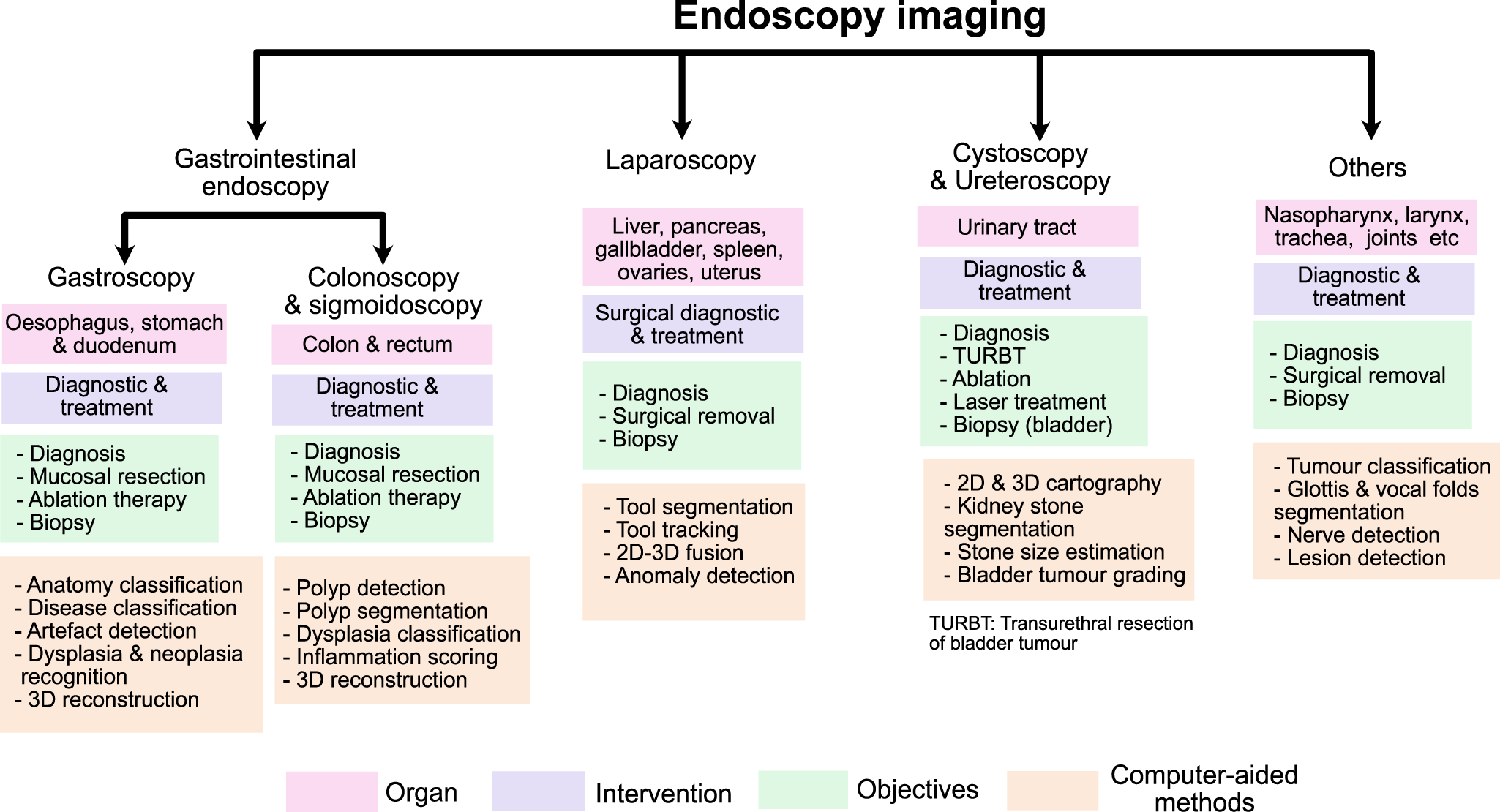
Clinical Implications
The clinical implications of endoscopy report analysis are vast. They influence treatment plans and patient care. Understanding these implications can help healthcare providers make informed decisions. This section delves into the specifics.
Treatment Planning
Endoscopy reports provide critical information for treatment planning. Doctors use these reports to identify issues such as ulcers, tumors, or inflammation. This data helps in choosing the right treatment.
Medication: Prescribe the right drugs based on findings.
Surgery: Plan surgical interventions if needed.
Dietary Changes: Recommend dietary adjustments for better health.
Accurate analysis ensures effective treatment plans. This leads to better patient outcomes.
Follow-up Procedures
Endoscopy report analysis plays a role in follow-up procedures. It helps in tracking patient progress over time.
Key follow-up actions include:
Regular Monitoring: Schedule future endoscopies to monitor changes.
Symptom Tracking: Keep track of symptoms for early intervention.
Adjust Treatments: Modify treatments based on new findings.
A clear follow-up plan ensures ongoing patient care. This helps in early detection of any new issues.
Implication | Description |
|---|---|
Treatment Planning | Determines the best course of action for patient care. |
Follow-Up Procedures | Ensures continuous monitoring and adjustments in treatment. |
These clinical implications highlight the importance of endoscopy report analysis. It aids in providing comprehensive and effective healthcare.
Patient Communication
Effective patient communication is vital in endoscopy report analysis. Clear and concise communication helps patients understand their results. It also addresses any concerns they may have. This builds trust and ensures better healthcare outcomes.
Explaining Results
After an endoscopy, patients often feel anxious about their results. It's essential to explain the findings in simple terms. Use visual aids if necessary, like charts or diagrams. This makes the information more accessible.
For instance:
Medical Term | Explanation |
|---|---|
Gastritis | Inflammation of the stomach lining |
Polyp | Small growth on the inner lining of the colon |
Addressing Concerns
Patients often have many questions after receiving their endoscopy report. Address each concern promptly. This reassures them and builds trust. Here are some common concerns and ways to address them:
Is this serious? Explain the severity of the findings.
What are my treatment options? List possible treatments and next steps.
Do I need further tests? Clarify if additional tests are necessary.
Encourage patients to ask questions. This ensures they fully understand their situation. Use a friendly tone. Show empathy and patience. This makes the communication more effective.

Future Trends In Endoscopy
The world of endoscopy is evolving rapidly. New technologies are transforming how doctors diagnose and treat patients. These advancements promise to make procedures safer and more effective.
Innovations On The Horizon
Several innovations are emerging in the field of endoscopy:
Artificial Intelligence (AI): AI can analyze endoscopy images quickly. This helps in detecting abnormalities faster.
Robotics: Robotic systems make endoscopic procedures more precise. Surgeons can control tiny instruments with great accuracy.
3D Imaging: 3D imaging provides a detailed view of the body's interior. This helps doctors to see and diagnose issues better.
Wireless Capsule Endoscopy: Patients swallow a small capsule. It takes images as it travels through the digestive tract. This method is less invasive and more comfortable.
Potential Impact On Healthcare
These innovations will have a significant impact on healthcare:
Innovation | Impact |
|---|---|
AI | Faster diagnosis and improved detection rates. |
Robotics | Increased precision in surgical procedures. |
3D Imaging | Better visualization leading to accurate diagnoses. |
Wireless Capsule Endoscopy | More comfort for patients and less invasive procedures. |
Improved detection means diseases can be caught early. Increased precision leads to fewer complications. Better visualization aids in making the right diagnosis. Patient comfort is greatly enhanced with less invasive methods.
Frequently Asked Questions
What Is An Endoscopy Report?
An endoscopy report details findings from an endoscopic procedure. It includes images, observations, and medical conclusions. This report helps diagnose issues in the digestive tract.
How Is An Endoscopy Performed?
An endoscopy is performed using a flexible tube with a camera. The tube is inserted through the mouth or rectum. It allows doctors to view internal organs.
What Does An Abnormal Endoscopy Report Indicate?
An abnormal endoscopy report may indicate issues like ulcers, tumors, or inflammation. It helps in diagnosing digestive disorders and planning treatment.
How Should I Prepare For An Endoscopy?
Preparation includes fasting for several hours before the procedure. You may also need to avoid certain medications. Follow your doctor's specific instructions.
Conclusion
Understanding your endoscopy report is crucial for your health. It helps in making informed medical decisions. Always consult with your doctor for a thorough interpretation. Regular check-ups can prevent severe health issues. Stay proactive and maintain a healthy lifestyle. This ensures better outcomes and overall well-being.



Social Plugin